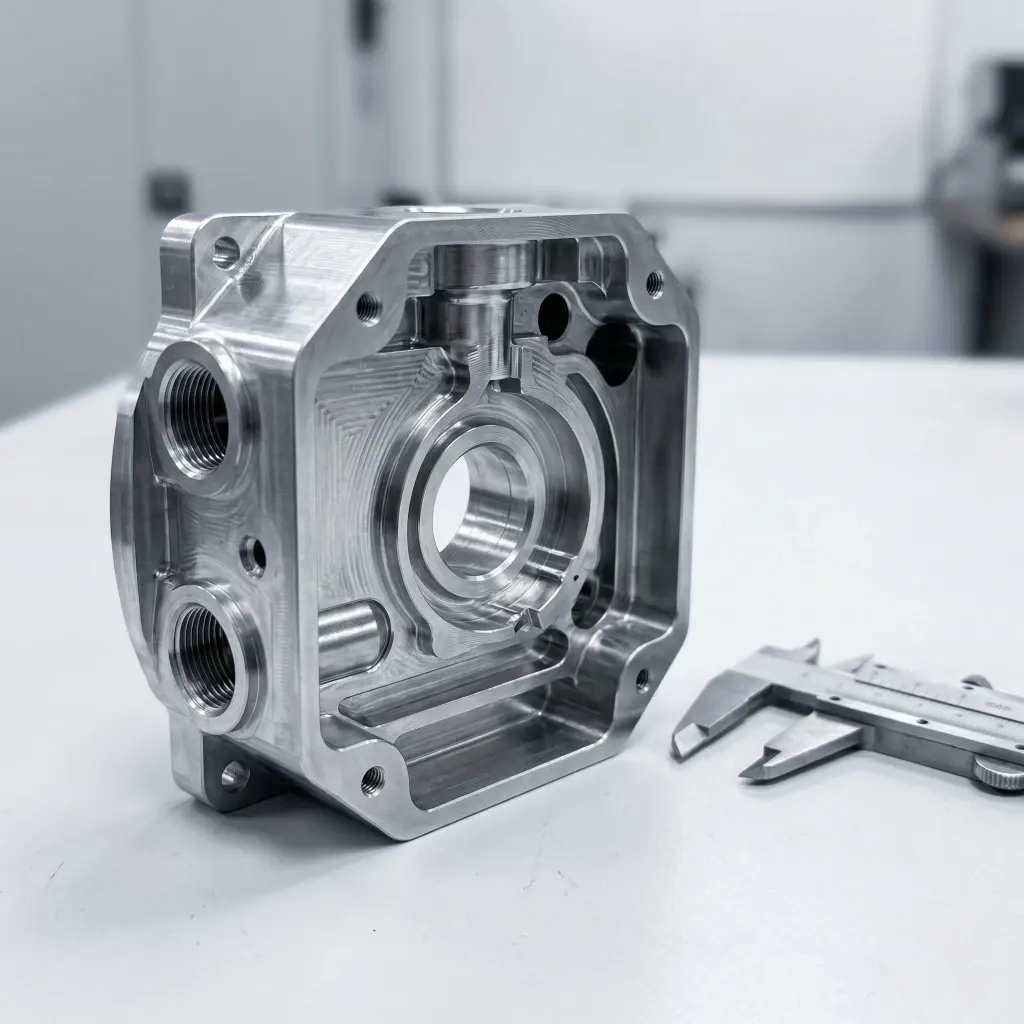
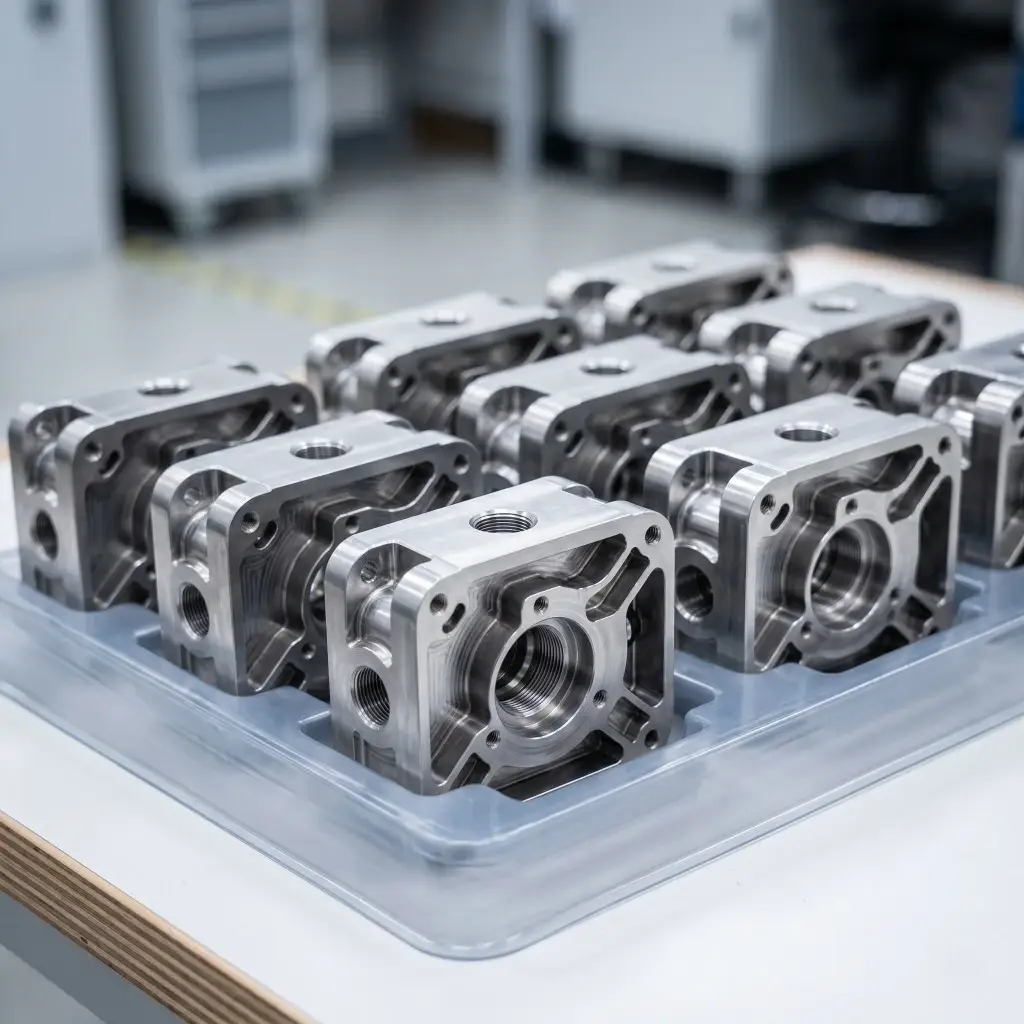
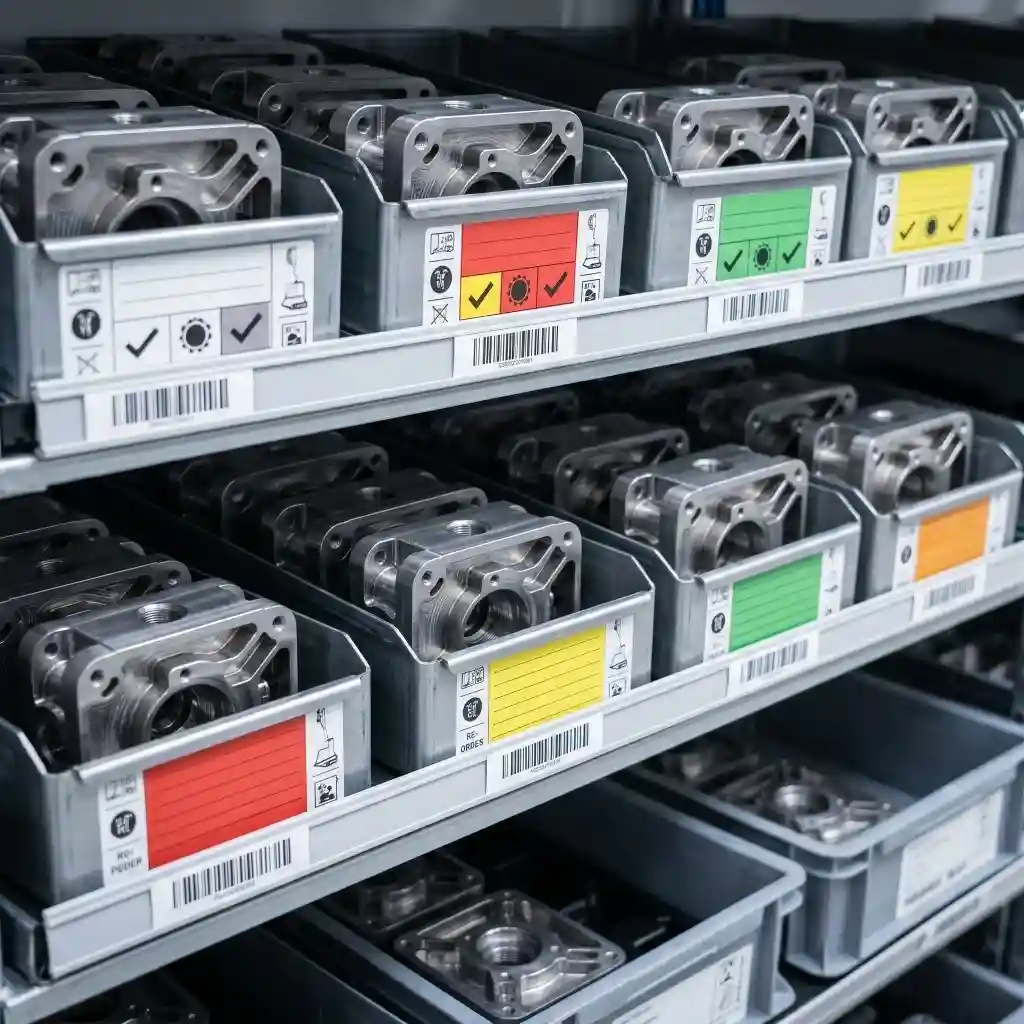
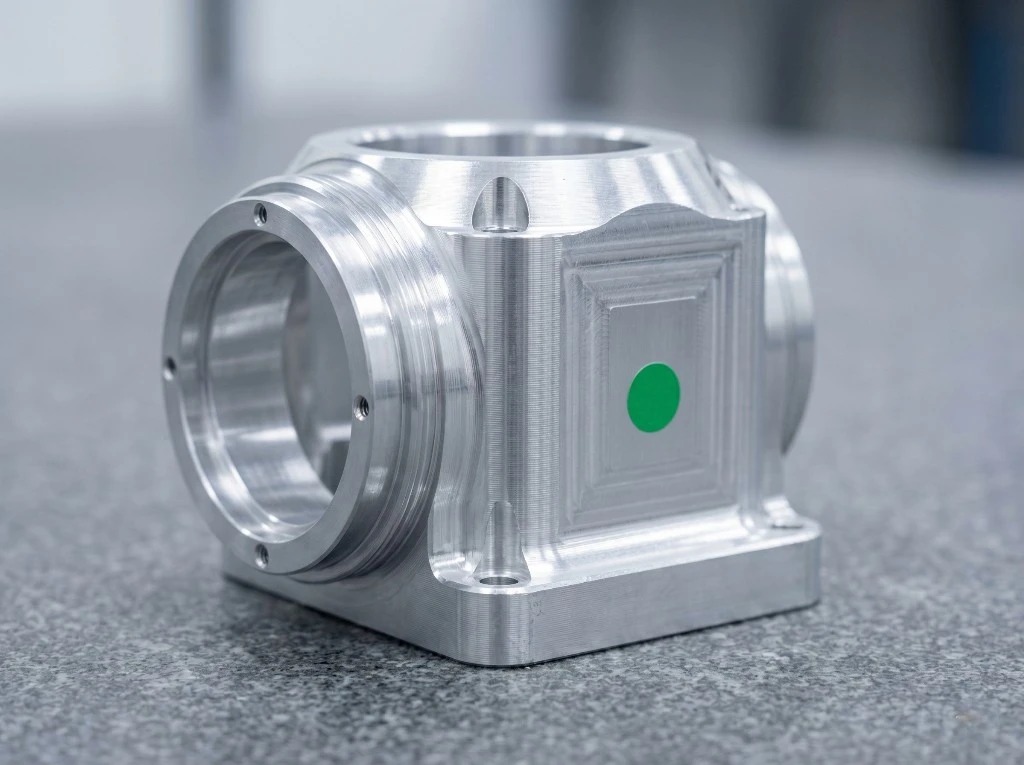
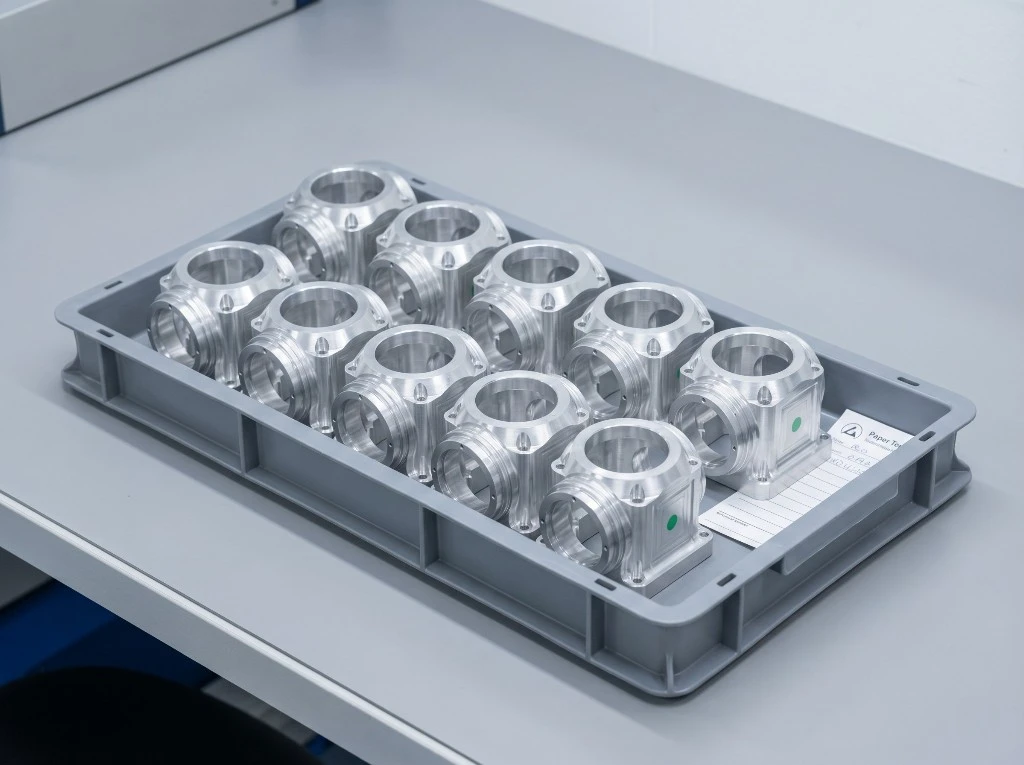
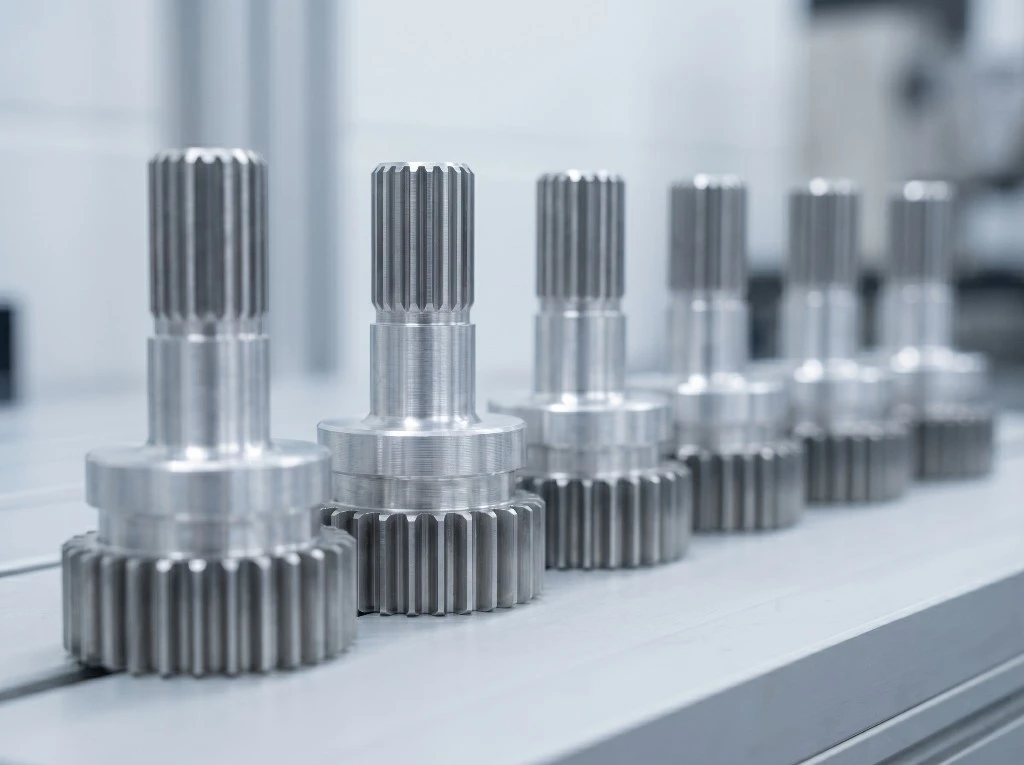
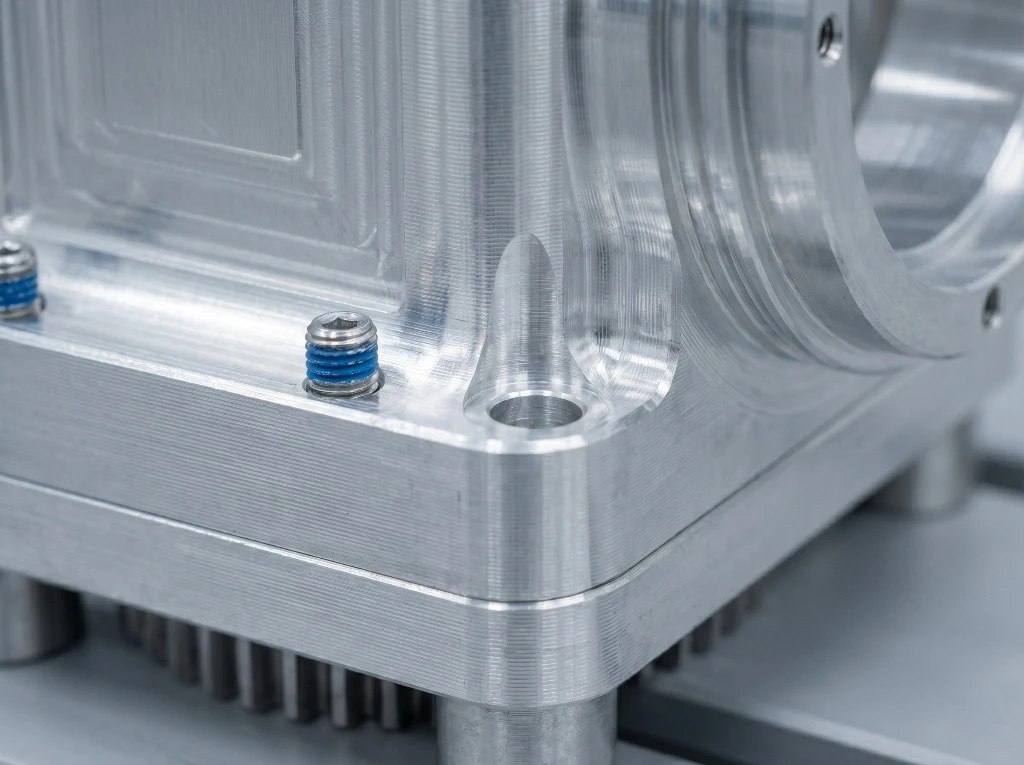
Built for projects that need more than a successful first part — clearer review, tighter batch consistency, and a more controlled path into low-volume execution.
The Consistency Gap After Prototyping
A part worked once, but later pieces no longer held the same level of consistency. Drawing updates were not clearly carried across the batch. Minor machining issues surfaced only after multiple units had already been made. Technical intent was lost during the handoff from prototype to low-volume execution.
Low-volume work rarely breaks down because of batch size alone. It breaks down when control between the first part and the rest of the run is not clear enough.
From Prototype to Next-Batch Control
Low-volume is where a project stops being “just a prototype” and starts requiring batch-to-batch control.
Prototype
Validate design intent and initial manufacturability.
Low-Volume
Stabilize execution, manage revisions more clearly, and improve batch-to-batch repeatability.
Next-Batch Control
Carry revisions and batch checks into the next run without losing control after the first successful part.
What Stability Looks Like in Low-Volume Machining
Stable low-volume execution means fewer avoidable changes later, clearer revision control, and more deliberate checks across the batch.
01 Upfront Review
Functional requirements, drawings, and key features are reviewed before the batch moves forward.
02 Controlled Revisions
Changes are tracked more clearly between runs to reduce mismatch and file confusion.
03 Consistent Execution
Low-volume work is approached with repeatability in mind, not as disconnected one-off jobs.
04 First-Article and Batch Checks
First-article verification and batch checks help maintain tighter consistency across the run.
What Stability Looks Like in Low-Volume Machining
Stable low-volume execution means fewer avoidable changes later, clearer revision control, and more deliberate checks across the batch.
01 Upfront Review
Functional requirements, drawings, and key features are reviewed before the batch moves forward.
02 Controlled Revisions
Changes are tracked more clearly between runs to reduce mismatch and file confusion.
03 Consistent Execution
Low-volume work is approached with repeatability in mind, not as disconnected one-off jobs.
04 First-Article and Batch Checks
First-article verification and batch checks help maintain tighter consistency across the run.
What Stability Looks Like in Low-Volume Machining
Stable low-volume execution means fewer avoidable changes later, clearer revision control, and more deliberate checks across the batch.
01 Upfront Review
Functional requirements, drawings, and key features are reviewed before the batch moves forward.
02 Controlled Revisions
Changes are tracked more clearly between runs to reduce mismatch and file confusion.
03 Consistent Execution
Low-volume work is approached with repeatability in mind, not as disconnected one-off jobs.
First-Article and Batch Checks
First-article verification and batch checks help maintain tighter consistency across the run.
Our Ideal Low-Volume Project Fit
These are the kinds of low-volume projects where revision control, batch consistency, and clearer technical review make the biggest difference.
Pilot Runs
Small batches used to verify readiness before broader release.
Bridge Quantities
Interim supply between prototyping and a more stable production plan, where consistency matters before larger commitments are made.
Repeat Precision Parts
Low-volume repeat work where batch consistency, revision control, and functional reliability matter as much as machining itself.
Complex Mating Components
Parts requiring tighter control across multiple interfaces to support reliable final assembly.
Ready for a More Predictable Low-Volume Batch?
Share your drawings and quantity range. We’ll review the batch with stability, revision control, and next-step readiness in mind.