
Prototype CNC Machining
Machining support for functional prototypes, revision-driven parts, and early validation builds that need faster iteration, closer review, and a clearer path before production.
Best Fit For
Best fit for projects still under review, validation, or revision before production.
01
Form & Fit Verification
Early-stage parts used to check geometry, clearances, and mating conditions before tighter requirements are locked.
02
Functional Engineering Testing
Machined from end-use materials such as titanium or PEEK for real-world stress, thermal, or fluid testing, where critical features require closer control.
03
Pre-Production Refinement
Used before final CAD release to identify machining bottlenecks, refine difficult features, and reduce future production cost.
04
Pilot & Certification Builds
Small batches used for field trials, certification support, or early validation, where batch consistency matters as much as individual part quality.
Best Fit For
Best fit for projects still under review, validation, or revision before production.
Form & Fit Verification
Early-stage parts used to check geometry, clearances, and mating conditions before tighter requirements are locked.
Functional Engineering Testing
Machined from end-use materials such as titanium or PEEK for real-world stress, thermal, or fluid testing, where critical features require closer control.
Pre-Production Refinement
Used before final CAD release to identify machining bottlenecks, refine difficult features, and reduce future production cost.
Pilot & Certification Builds
Small batches used for field trials, certification support, or early validation, where batch consistency matters as much as individual part quality.
Technical Considerations for Prototype Parts
Prototype success depends on more than machining speed alone.
Material choice, tolerance strategy, file clarity, and revision planning all affect how useful the first physical part really is.
Material Choice
Prototype materials are often chosen for speed and availability rather than final production cost. We typically recommend readily available alloys such as Al 6061 for early fit checks before moving to costlier materials.
Tolerance in Context
Not every dimension needs tight control. Over-tolerancing prototypes increases cost and lead time, so we recommend focusing critical tolerances on mating surfaces and functional interfaces.
3D Files & 2D Drawings
3D files drive geometry and CAM programming. But 2D drawings remain critical—missing them often means undefined threads, ambiguous surface finishes, or unclear inspection needs that delay review and quoting.
Material Choice
Prototype materials are often chosen for speed and availability rather than final production cost. We typically recommend readily available alloys such as Al 6061 for early fit checks before moving to costlier materials.
Tolerance in Context
Not every dimension needs tight control. Over-tolerancing prototypes increases cost and lead time, so we recommend focusing critical tolerances on mating surfaces and functional interfaces.
3D Files & 2D Drawings
3D files drive geometry and CAM programming. But 2D drawings remain critical—missing them often means undefined threads, ambiguous surface finishes, or unclear inspection needs that delay review and quoting.
Feature Complexity
Deep pockets, thin walls (e.g., <0.5mm), and difficult tool access can significantly increase prototype lead time. We review these areas early to suggest tool-friendly changes without altering design intent.
Revision Awareness
Prototype parts are often over-specified too early. By clearly marking which features are locked and which are still evolving, we help you avoid unnecessary machining costs on details expected to change.
Inspection Focus
Instead of full inspection reports for every prototype, we focus on critical-to-function dimensions so the part can answer the next validation question more efficiently.
Feature Complexity
Deep pockets, thin walls (e.g., <0.5mm), and difficult tool access can significantly increase prototype lead time. We review these areas early to suggest tool-friendly changes without altering design intent.
Revision Awareness
Prototype parts are often over-specified too early. By clearly marking which features are locked and which are still evolving, we help you avoid unnecessary machining costs on details expected to change.
Inspection Focus
Instead of full inspection reports for every prototype, we focus on critical-to-function dimensions so the part can answer the next validation question more efficiently.
Representative Prototype Examples
Short-run prototype parts often support different goals, from early fit checks to feature validation and pilot-stage testing. These examples show how prototype machining helps answer practical engineering questions before production is finalized.
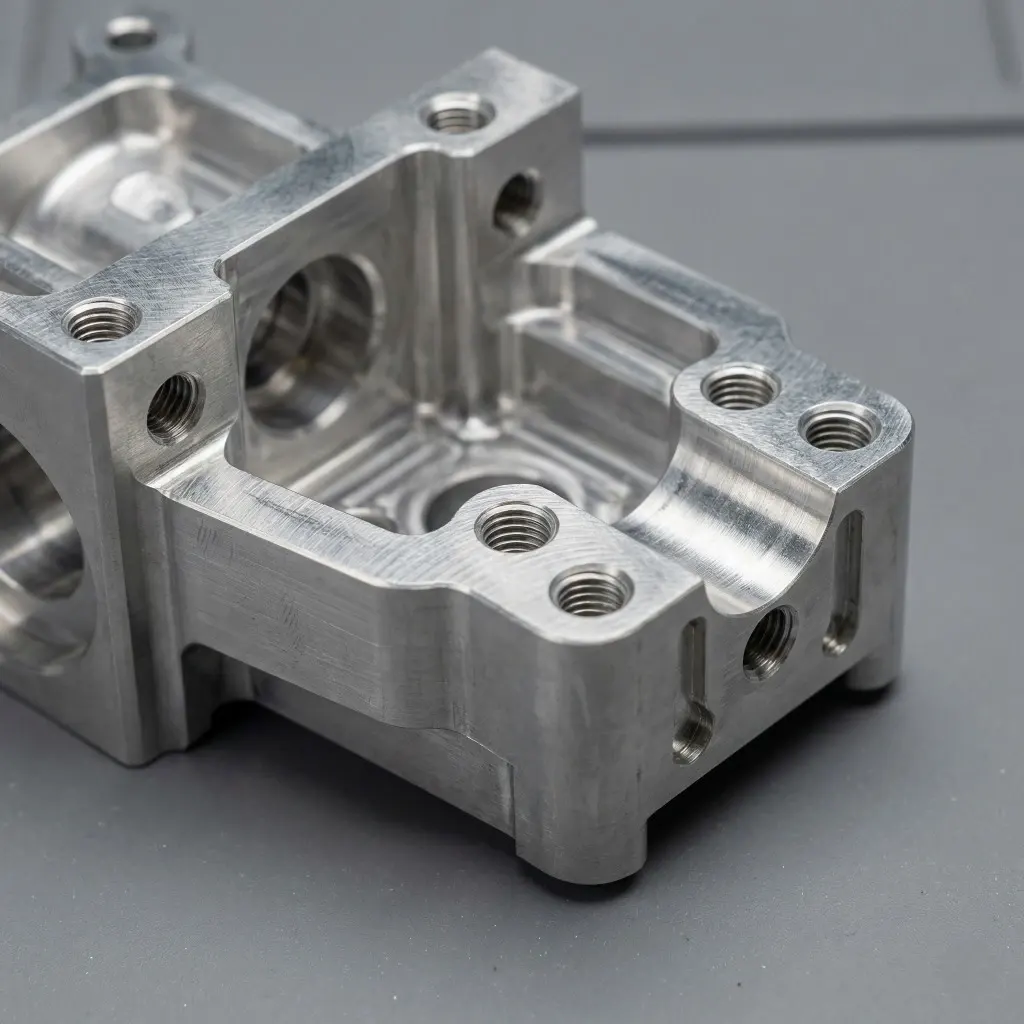
Functional Housing Prototype
Used to validate geometry, mating conditions, and assembly logic before production dimensions and downstream requirements are fully locked.
Al 6061-T6 | 3-Axis Milling | Fit & Clearance Check
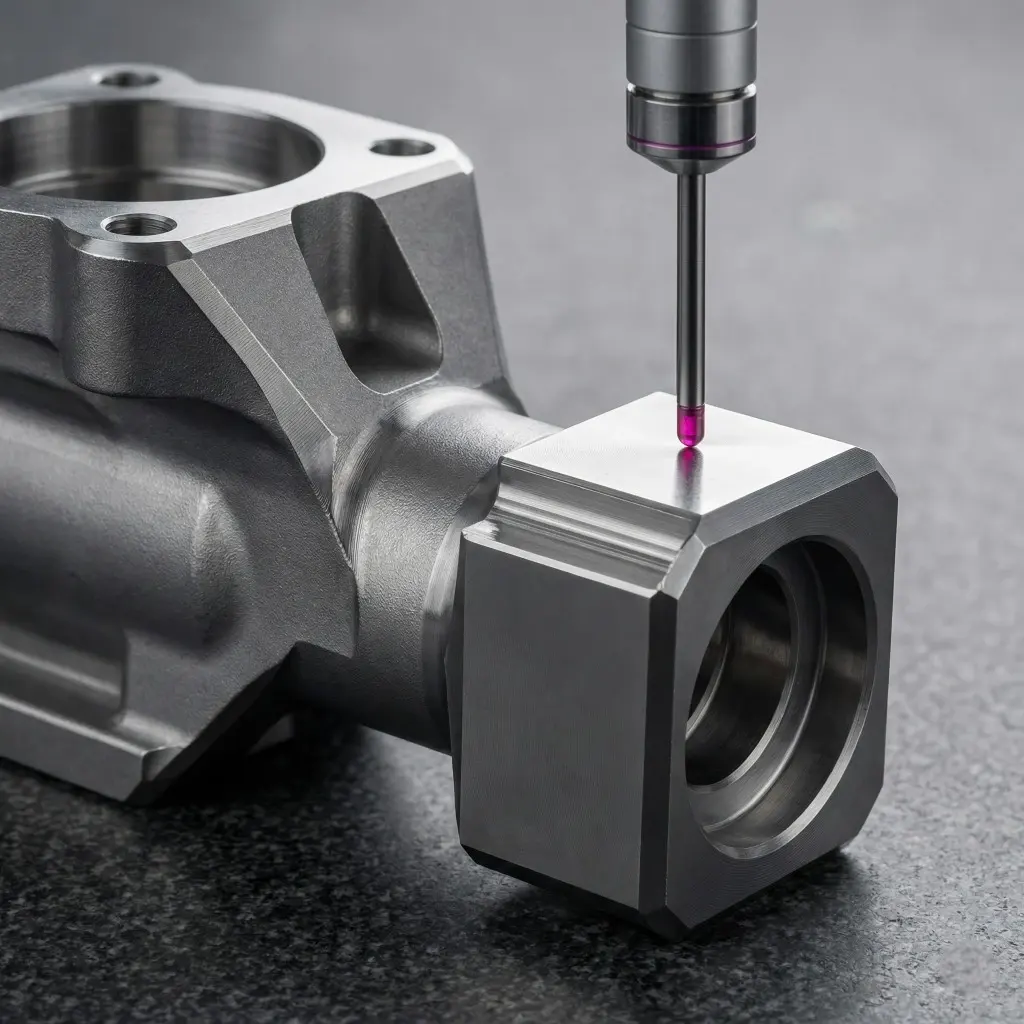
Tolerance-Critical Mating Component
A prototype part used to review a critical interface where feature position, local flatness, or surface condition affects the next design decision.
316L Stainless Steel | 5-Axis Machining | Flatness Requirement: 0.01 mm
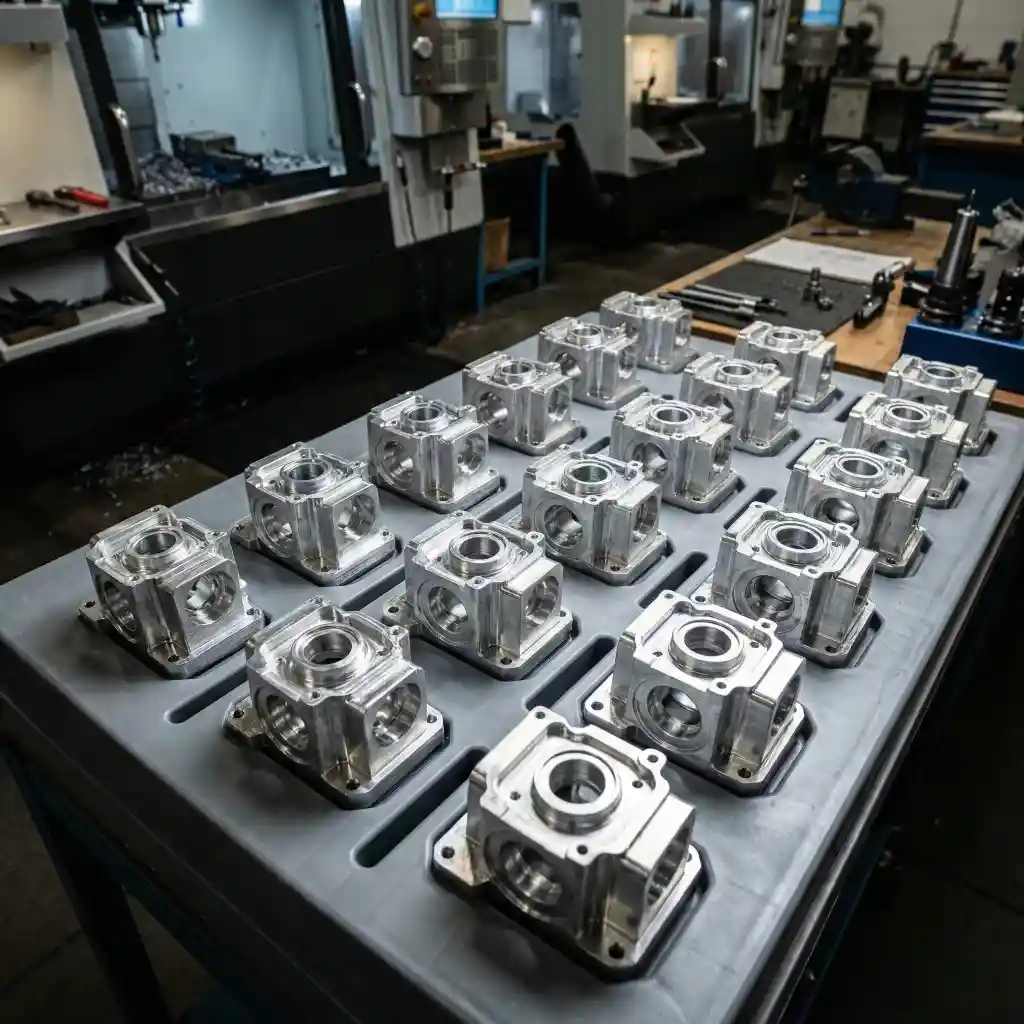
Pilot-Stage Assembly Batch
Low-quantity parts prepared for internal testing, early hardware validation, or limited field checks before moving into a more stable production plan.
Qty: 10–50 pcs | Initial Batch Inspection | Consistency Across Parts
Need a More Focused Prototype Review?
Share your drawings, 3D files, or early project notes. We’ll help clarify the next step before production is finalized.